One screen. A hundred turning points.
What makes a vertical drama a vertical drama—and why episode length is only the beginning.
Read the note ↗The editorial desk
From a scene’s turning point to a studio’s production commitment: practical ways to understand the industry behind the episodes.
What makes a vertical drama a vertical drama—and why episode length is only the beginning.
Read the note ↗App downloads, in-app purchases and total industry revenue answer different questions. Here is how to read them.
Read the note ↗The October 2025 announcement connects a studio’s production capacity with My Drama’s distribution. The delivery questions come next.
Read the note ↗Accelerator participation and adaptation discussions are documented. A completed Disney slate is a different claim.
Read the note ↗SAG-AFTRA’s dedicated agreement makes the format visible in labour practice. The work behind each minute deserves the same attention.
Read the note ↗Roku’s 2021 filing separates a service from its programmes. That distinction helps when comparing today’s mobile serials.
Read the note ↗The audience funnel has several steps. Measuring one does not establish the others.
Read the note ↗Free entry, advertising, coins and subscriptions create different viewing journeys. Read the offer at title level.
Read the note ↗Separate a deployed dubbing feature from a claim about performance, cultural adaptation or an entirely AI-made drama.
Read the note ↗Genre names set expectations. A story engine explains why the next chapter exists.
Read the note ↗A practical framework for looking at staging, performance, sound and the break between chapters.
Read the note ↗Platform, studio, producer and distributor are different roles—even when their names share a press release.
Read the note ↗A general guide to the evidence a production or adaptation story needs—not a jurisdiction-specific legal checklist.
Read the note ↗Separate consumer spending, platform receipts and producer income before drawing a conclusion about returns.
Read the note ↗Keep the production’s origin, the language of a version and the platform carrying it separate.
Read the note ↗Use announced commitments and observable releases to test the industry’s direction, without dressing a forecast as a fact.
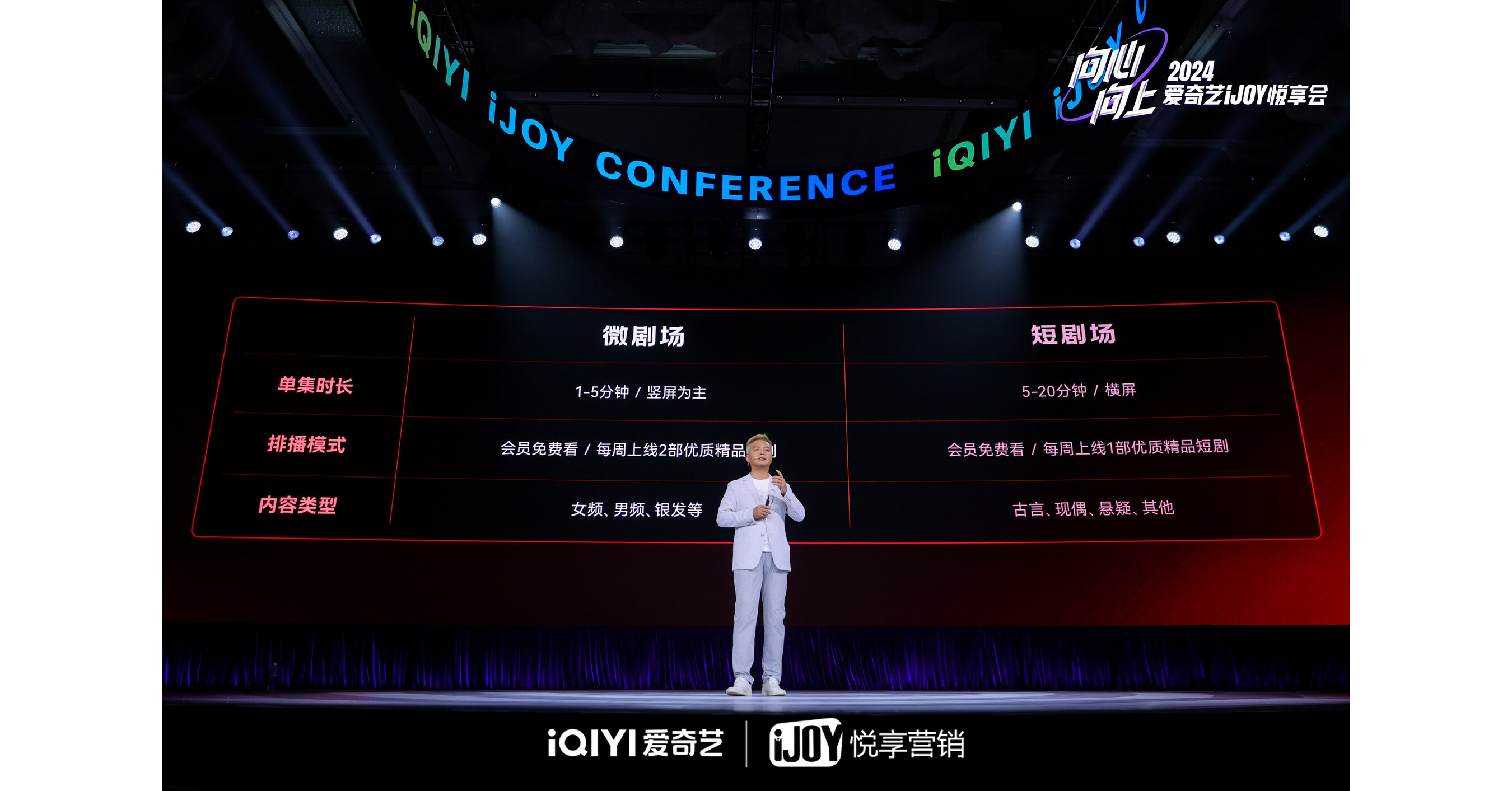
Read the note ↗A September 2024 conference announcement separated vertical micro-dramas from a longer short-drama lane.
Read the note ↗The August 2024 announcement scheduled three broadcaster-made originals for a specialist short-drama app.
Read the note ↗A November announcement set a December launch, with shared operators, free opening episodes and subsequent paid access.
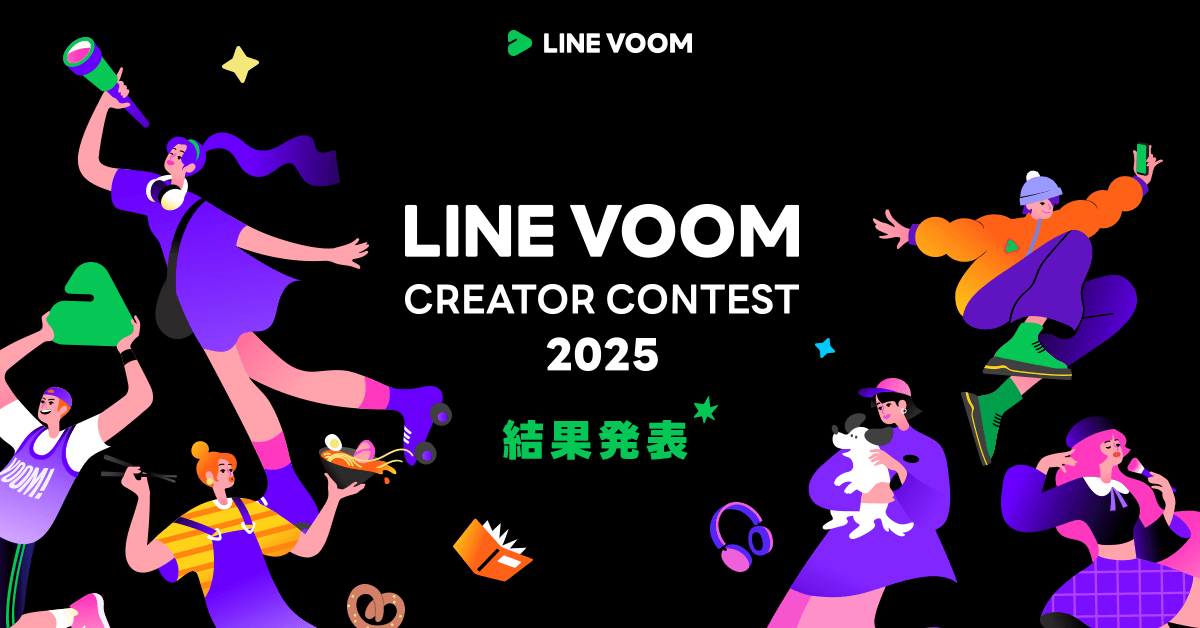
Read the note ↗The March 2025 creator-contest announcement treated short drama as one category among several forms of short video.
Read the note ↗The March 2025 statement paired multilingual distribution with a stated plan for local production partnerships.
Read the note ↗The June 2025 launch positioned DMM Short as a subscription inclusion rather than a standalone specialist app.
Read the note ↗The July 2025 app debut gave a broadcaster its own vertical-drama destination and a daily free-viewing allowance.
Read the note ↗A September 2025 announcement paired a horizontal revenge story with a vertical school drama for BUMPiNT.
Read the note ↗A July 2022 announcement put three cross-border productions, multilingual release and two video ecosystems in one plan.
Read the note ↗A ¥260 million financing announcement separated promotional reach, app acquisition and a dated creator-payment model. Those distinctions still matter.
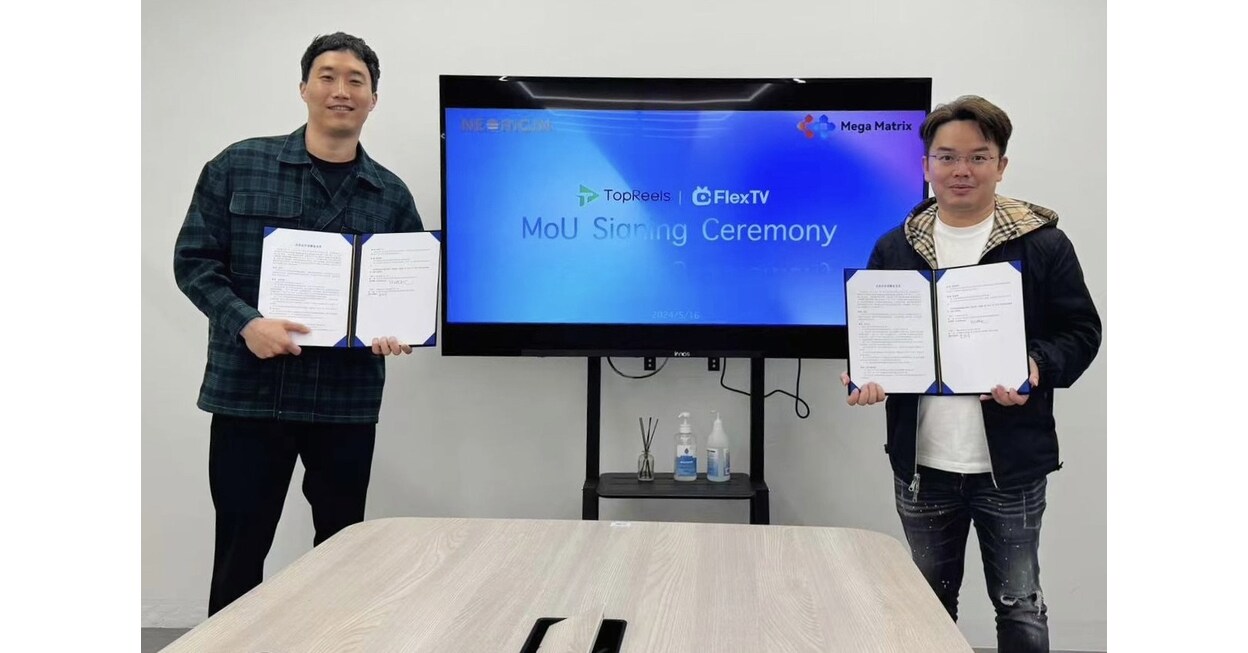
Read the note ↗The May 2024 deal linked a content fund to joint investment, production and distribution rather than a single announced series.
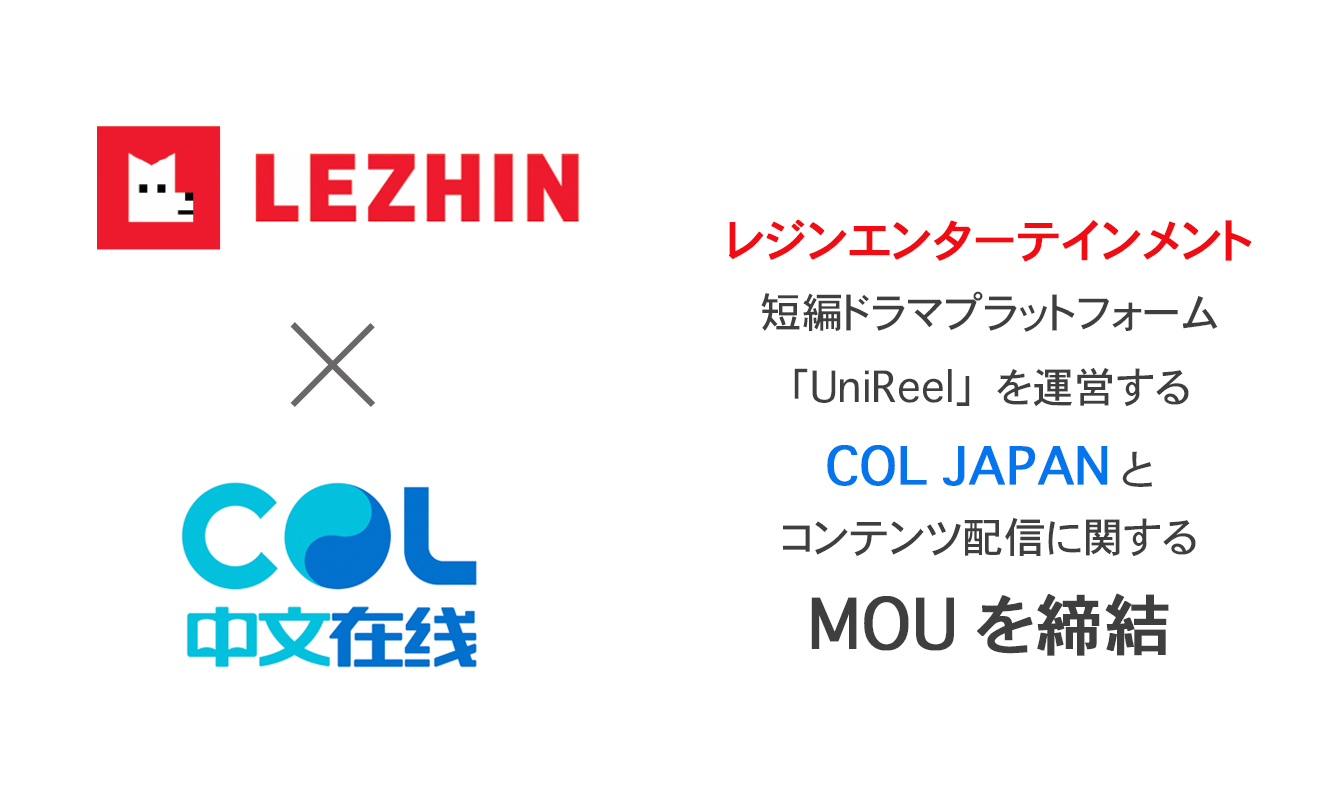
Read the note ↗The November 2024 MOU paired Lezhin’s comic IP with COL JAPAN’s planned UniReel distribution route.
Read the note ↗The December 2025 launch announcement specified a mobile-first service, named titles and 60–90-second episode lengths.
Read the note ↗The October 2025 announcement connected financing, an iOS/Android debut and an initial vertical-originals slate.
Read the note ↗A beat map for short chapters that makes the stop feel like a consequence, not a missing reel.
Read the note ↗A compact ladder for making a premise legible while giving every early chapter a different social temperature.
Read the note ↗A continuity ledger for microdrama days where wardrobe, props, knowledge and damage travel faster than the schedule.
Read the note ↗A QC pass that checks meaning, timing and placement before captions hide the reveal they were meant to support.
Read the note ↗A practical shot-list exercise for a short confrontation with one prop, one doorway and no spare time.
Read the note ↗An information-reveal ledger for moving webtoon material into short live-action chapters without losing the engine.
Read the note ↗How to hand off a vertical campaign cut without letting its best hook spoil the chapter sequence it is selling.
Read the note ↗A worksheet for turning a campaign spike into a testable audience question.
Read the note ↗A fictional arithmetic exercise that separates viewer spend, platform receipts and a producer’s cash.
Read the note ↗Track masters, language assets and rights status as separate versioned objects.
Read the note ↗How to distinguish a deal’s promise from evidence that individual titles reached viewers.
Read the note ↗A field sheet for comparing access paths while offers vary by territory and account.
Read the note ↗A worked example for comparing incompatible market estimates without averaging them into fiction.
Read the note ↗An educational record for tracing a source work, version and credited transformation without claiming clearance.
Read the note ↗Try a title, platform or broader subject.